OPENING HOURS 2026
- 13th january 12-15
- January closed
- February, wednesday – sunday 11-15
- Marts/april/may, wednesday – sunday 10-16
- Easter, 30th marts – 6th april 10-16
- Pentecost 24th may – 25th may 10-16
- 1st june – 15th june, august, wednesday – sunday 10-16
- 16th june – 15th september, every day 10-17
- 16th september – 30th september, every day 10-16
- 1th oktober – 30th november, wednesday – friday 11-15, saturday & sunday 11-16
- December closed
- Special opening, 5th – 6th december and 28th -29th december 12 – 16
ICE MEANS LIFE
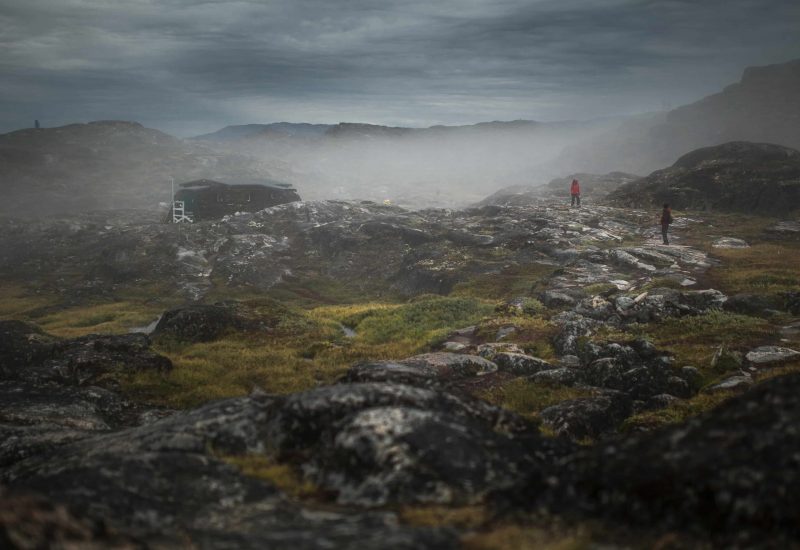
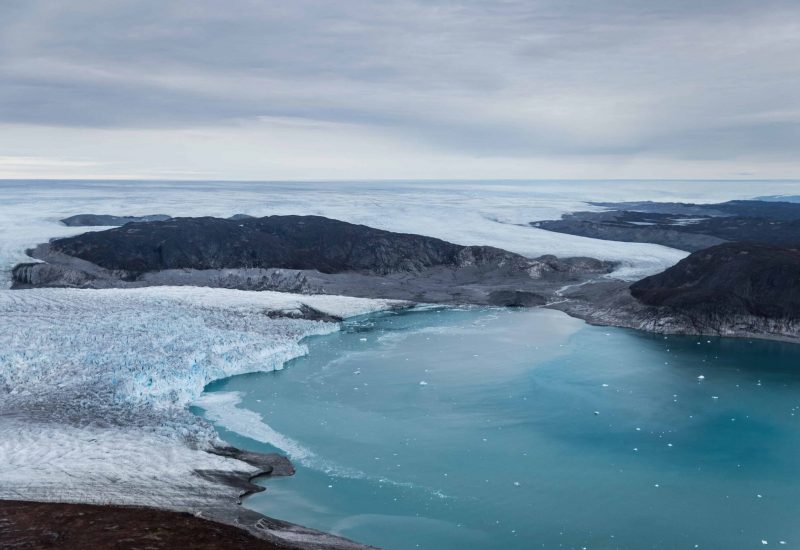
The story of the ice is the story of life in Disko Bay. It is the story of the incredible weight of the ice sheet, which over the course of thousands of years crushes the bedrock and pushes it in front of itself, on its slow and irresistible journey to the sea. The crushed rock is left there by the ice, and releases its nutrients so that life can blossom in the sea. Ice also means life for the people and animals who need it for hunting or fishing. Here the ice is the foundation of both nature and human life.
THE ICE REMEMBERS
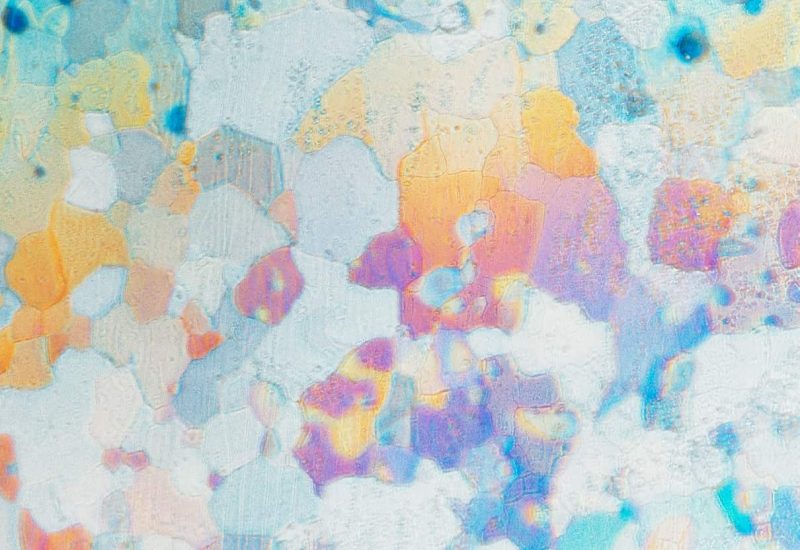
When humans forget, the ice remembers. Great events such as volcanic eruptions or the impact of meteorites, which have long since migrated from accounts to legends and into obscurity, can still be read in the interior of the ice sheet. The ice sheet is formed of layer upon layer of snow, which falls year after year and is gradually compressed by the weight of the new snow. Each layer traps small air bubbles in the snow, which freeze and are preserved for posterity. Today, we can read the ice cores like a book about our prehistory, our early history — and in fact up to modern times. We can see the effects of the rise and fall of civilisations, and we can learn about the changes in the climate which affect our lives today.
THE ICE RECOUNTS STORIES
THE INUIT CULTURE
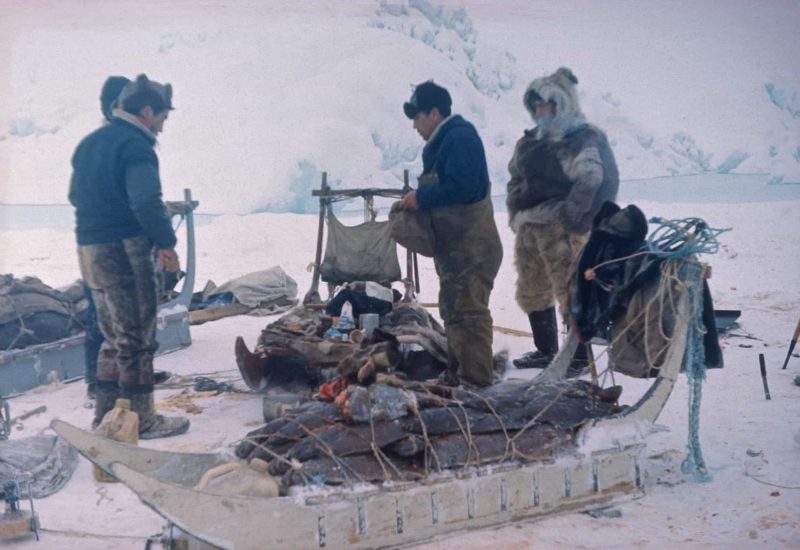
For thousands of years, the Inuit have thrived in Disko Bay in spite of the extreme climate and the darkness of the polar night. The culture of the Inuit is tailored to the harsh conditions in close interplay with the ice and nature. The technologies which the Inuit have developed for hunting, fishing, making clothes and transportation, are obvious examples of how humans and nature always have been and always will be inextricably linked.
THE ARCHITECTURE OF THE ICEFJORD CENTRE
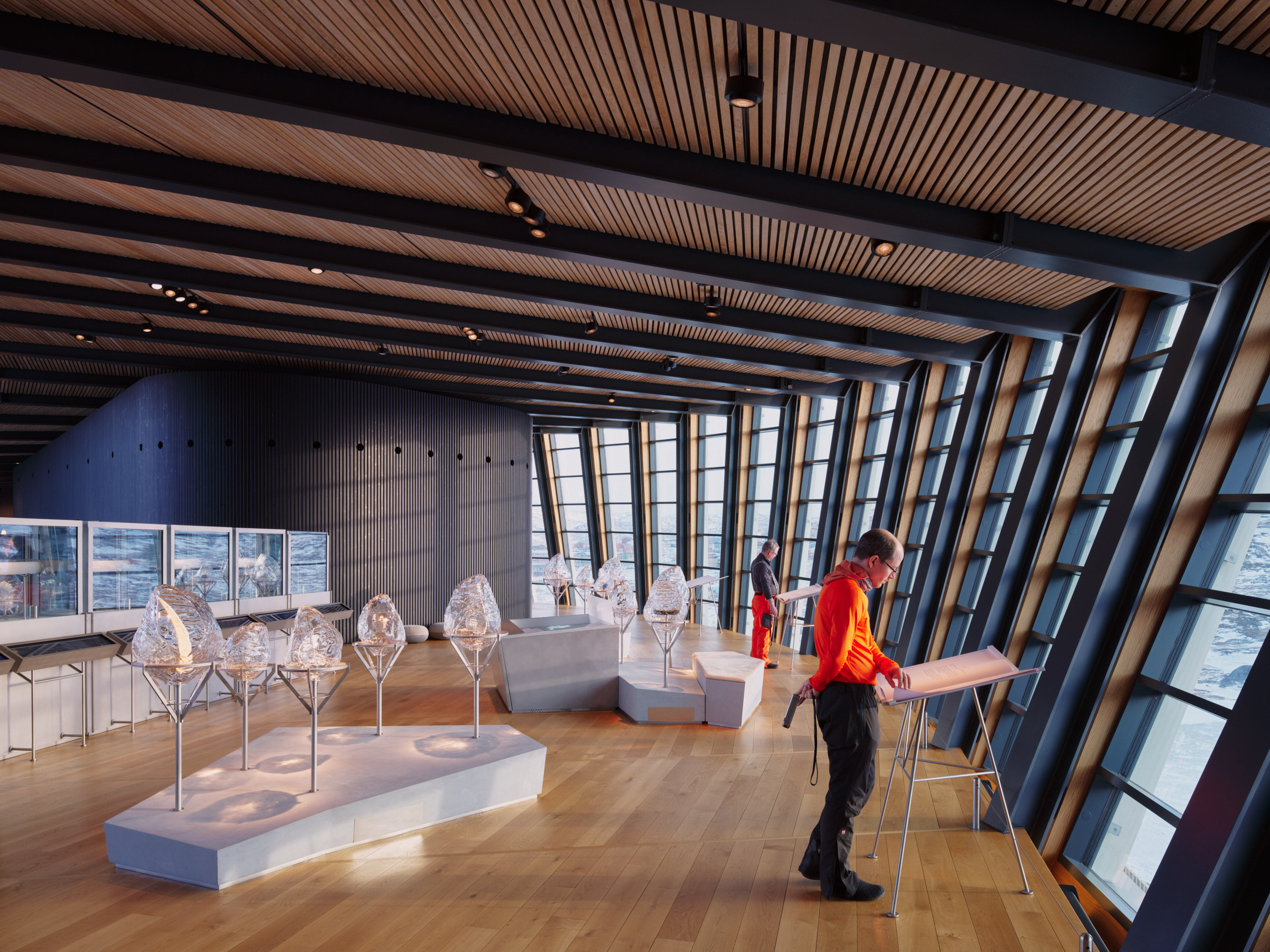
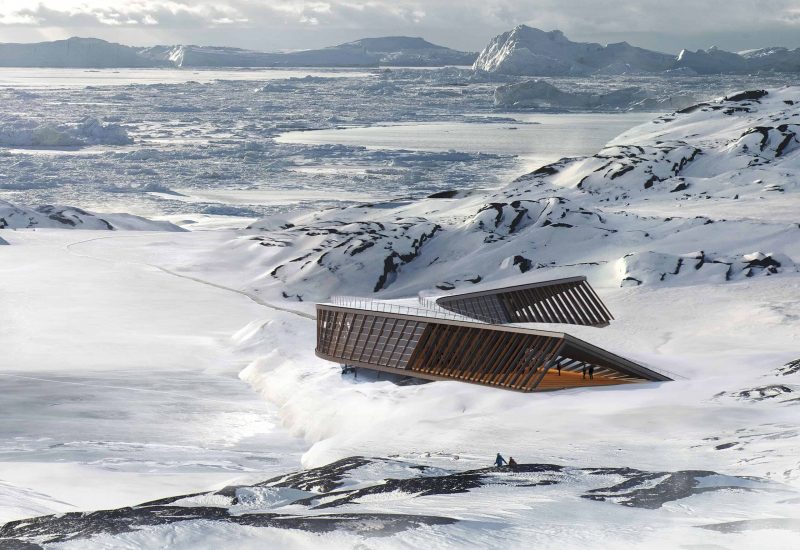
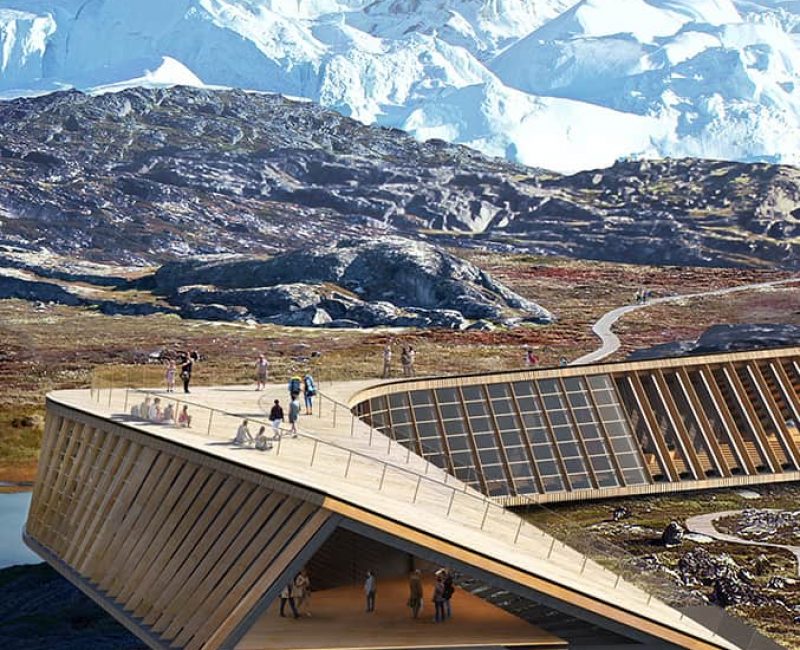
Thanks to its world class architecture, the Icefjord Centre is an attraction in itself, and the design has been conceived in concert with the ideas the Centre disseminates. The shape of the building is inspired by the wingspan of the snowy owl when it is in flight through the landscape. The Icefjord Centre has been positioned as a natural extension of the walking routes through the UNESCO World Heritage Site. The roof has therefore been constructed so that you can walk over the top of the centre and enjoy the view of the surrounding landscape. Part of Dorte Mandrup Architects’ underlying philosophy for the Icefjord Centre is that it should affect the area as little as possible, at the same time as it encourages transparent dialogue between the exhibition and the environment — between humans and nature.
THE ICEFJORD CENTRE'S SURROUNDINGS